Repairing a Damaged Iron Gate Section by Section

Most damage to an iron gate is local, and most repairs are local too: a bent picket, a cracked weld or a rusted rail can be fixed without replacing the whole leaf. The question in Georgetown, TX is how far the damage reaches. A quick check along the frame with a flashlight and a hammer answers it in a few minutes, and the answer decides whether the job is an afternoon or a trip to the shop.
How is the damage found?
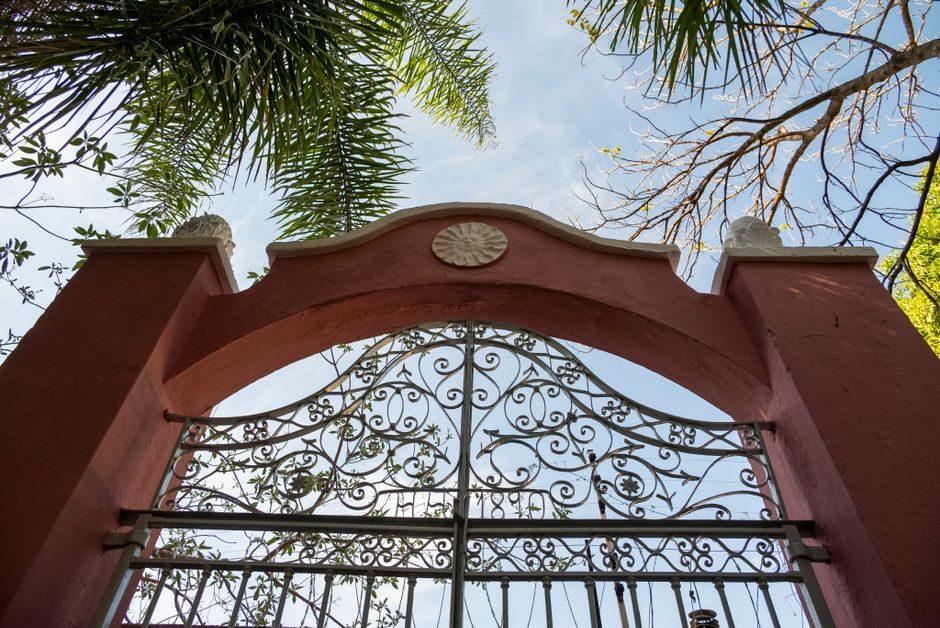
Damage is found by looking, tapping and pushing. The crew walks the gate with a flashlight held low, which shows cracks and bright rust that the flat midday light hides. A light tap with a hammer along each rail gives a ring where the metal is sound and a dull thud where rust has eaten the wall. A push on each picket shows any that has come loose at the weld.
The posts are checked at the same time. A leaf that drags or a latch that misses is often a post problem, and welding a repaired leaf onto a leaning post only hides the cause for a season.
How is a bent picket fixed?
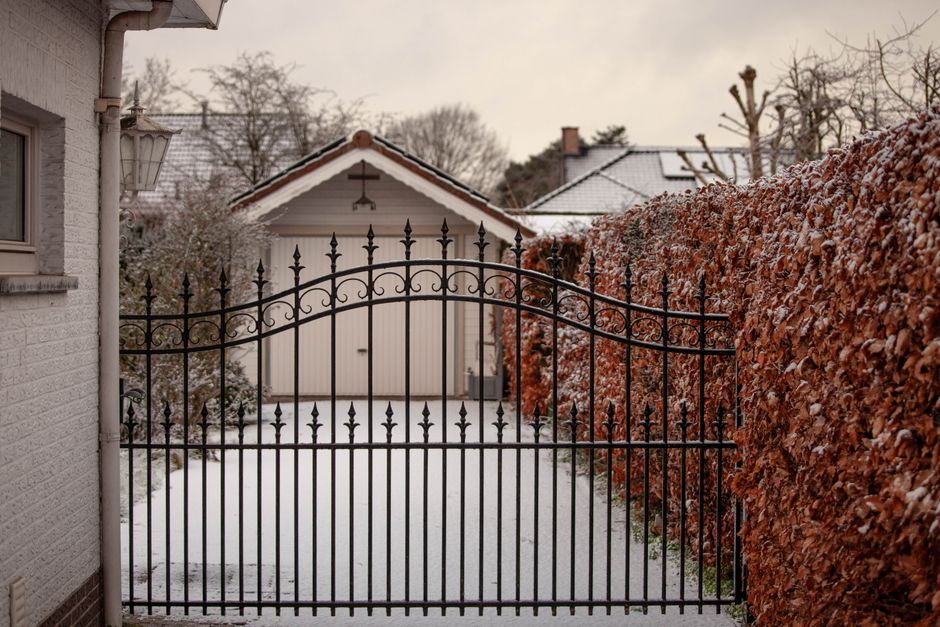
A bent picket is straightened cold if the bend is slight and heated if it is sharp. A slight bend is pushed back with a bar and a block. A sharp bend is warmed with a torch to dull red, bent back and left to cool in the open. A picket with a crease or a crack is cut out and a new piece is welded in, ground flush and primed.
What about a cracked weld?
A cracked weld is ground out to clean metal and re-welded, never welded over. A bead laid over a crack closes the surface and leaves the crack alive underneath, and it opens again with the next hard swing. The crack is chased with a grinder until the bright steel shows at the bottom, then filled in passes and ground smooth.
Cracks tend to show at the hinge corner and at the latch corner, where the leaf takes the most stress. A crack at the hinge side points to a loose hinge or a leaning post, and the cause is fixed before the weld is redone.
When is a rusted rail replaced?
A rusted rail is replaced when the rust has gone through the wall of the tubing or lost more than a third of its thickness. Surface rust is sanded to bright metal, primed and painted. Pitted rust with scale that flakes off in layers is cut out. The new section is the same size and wall as the old one, welded in, ground and finished to match.
How is the finish matched after a repair?
The finish on a repaired section is rebuilt in layers: zinc-rich primer, a second primer coat and a topcoat matched to the old color. A repair done in a powder coated gate cannot be re-baked on site, so the topcoat is a brushed or sprayed paint made to look like the powder coat. A full recoat in the shop gives the best match and costs a longer wait without the gate.
What do hinges and latches need during a repair?
Hinges and latches are checked on every repair, because they wear first and they hide behind other damage. A hinge pin that has worn oval lets the leaf drop a quarter inch, and that drop looks like a bent frame. The pin and bushing are replaced, the hinge is greased and the leaf is lifted back to level before any welding starts.
The latch gets the same attention. A keeper that has been bent by years of slamming is straightened or replaced, and the latch bolt is filed clean. A gate that closes without a catch is a nuisance, and a gate that catches only when pushed is a sign that the leaf has dropped or the post has moved.
How is a sagging leaf corrected?
A sagging leaf is corrected by finding the cause and then lifting it. A loose hinge is tightened, a worn bearing is replaced, a bent diagonal is straightened and a leaning post is reset. When the frame has lost its square, an adjustable tension rod or a diagonal brace is welded in, and the leaf is pulled back until the diagonals match within an eighth of an inch.
The check for square is simple. Two tape measurements from corner to corner across the leaf give the answer, and the two numbers should agree. A leaf that is out by more than a quarter inch is pulled before any finish goes on, since paint over a leaf that is still moving will crack at the joints within a season.
What does humid air do to a repair?
Humid air slows drying and speeds flash rust, so a repair near Lake Georgetown or the San Gabriel River is timed around the weather. Bare steel that is ground in the morning will show orange by the afternoon if it is left open. The ground area is primed within the hour, and the topcoat goes on only when the primer is fully cured and the air is dry.
Frequently asked questions
Can a gate be repaired while it is still hung?
A gate can be repaired in place for small jobs such as touch-up, hinge adjustment and a single picket. Welding on or near the hinge is done with the leaf lifted off its pins so heat does not damage the bearing. Larger repairs go to the shop.
How long does a repair take?
A picket or a weld takes an afternoon. A rail replacement takes a day on site or several days in the shop with finishing. Paint and primer need dry time between coats, and humid weather near Lake Georgetown stretches it.
Is an old iron gate worth repairing?
An old iron gate with a sound frame is worth repairing, because old bar is often thicker than new stock. A frame that is bent out of square, with several cracked joints and heavy rust, is usually replaced. A quick look along the diagonals and the hinge corner gives the answer.
Does repair change the look of the gate?
A good repair is invisible from the street. The new piece is the same size, the weld is ground smooth and the color is matched outdoors. A patch that stands out was usually finished indoors under shop lights and not checked in daylight.
What causes the same crack to come back?
A crack that returns usually points to an unsolved movement: a loose hinge, a leaning post or a leaf that hits its stop. Welding fixes the metal but not the movement. The cause is found first, then the weld is redone.
Can a repaired gate carry an operator?
A repaired gate can carry an operator if it swings freely by hand and sits on plumb posts. The motor will turn any drag into a larger problem. A leaf that takes more than a light push to move is repaired first, then the operator goes on.
What does a good repair visit end with?
A good repair visit ends with the gate swung through its full arc, the latch caught three times and the clearance at the free end measured. Anything that still binds is fixed before the crew leaves.
What is the short answer?
Repair the section that failed, find the movement behind it and rebuild the finish in layers. A local repair done that way outlasts a patch.